
 Communal Cleaning
  Exterior Cleaning
  Building Maintenance
  Specialist Services

If you own or manage rental properties in the UK, you are legally responsible for helping ensure your property remains safe for tenants throughout the tenancy.
Managed properties must comply with housing, gas, electrical and fire safety regulations designed to reduce risks and maintain safe living conditions, as outlined within the landlord safety responsibilities guidance.
Requirements can vary depending on the property type, occupancy levels and whether the property is a standard residential let or a House in Multiple Occupation (HMO). Keeping up to date with inspections, certificates and compliance documentation can help reduce legal risks, improve tenant safety and support long-term property standards.
Key Takeaways
- Managed rental properties in the UK require ongoing health and safety inspections and compliance checks.
- Gas safety inspections must generally be completed every 12 months by a Gas Safe registered engineer.
- Electrical installations in rental properties in England must usually be inspected at least every five years under current electrical safety standards guidance.
- Smoke alarms, carbon monoxide alarms and fire safety measures form an important part of landlord compliance responsibilities.
- Maintaining organised compliance records can help support tenancy management, inspections and legal compliance.
Gas Safety Checks for Managed Properties
Annual Gas Safety Inspections
If your property contains gas appliances such as boilers, cookers or gas fires, you are legally required to arrange an annual gas safety inspection carried out by a Gas Safe registered engineer under current landlord gas safety guidance.
During the inspection, the engineer will assess gas appliances, flues and associated pipework to confirm they are operating safely and efficiently. Regular gas safety inspections can help reduce the risk of gas leaks, carbon monoxide exposure and fire hazards within rental properties.
Gas Safety Records
Following the inspection, landlords must provide tenants with a valid gas safety record. Existing tenants should receive a copy within 28 days of the inspection, while new tenants should receive a copy before moving into the property, according to HSE gas safety record guidance.
Keeping organised records of inspections and certificates may also help support compliance documentation and future property management processes.
Electrical Safety Inspections and EICRs
Electrical Installation Condition Reports
Electrical systems within rental properties must be maintained in a safe condition throughout the tenancy. In England, landlords are generally required to arrange an Electrical Installation Condition Report (EICR) at least every five years under the electrical safety standards guidance.
An EICR assesses fixed electrical installations including wiring, sockets, switches, light fittings and consumer units. The report identifies whether the installation is considered safe for continued use and highlights any issues requiring remedial work.
Completing Remedial Electrical Work
Where dangerous or potentially dangerous issues are identified during the inspection, remedial work must usually be completed within 28 days or sooner if specified within the report.
Routine electrical inspections can help reduce electrical hazards, identify deterioration and support tenant safety throughout the tenancy.
Smoke Alarms and Carbon Monoxide Safety
Smoke Alarm Requirements
At least one smoke alarm must be installed on every storey of a rental property used as living accommodation under current landlord safety responsibilities guidance.
Landlords are also responsible for ensuring alarms are in working order at the start of each tenancy. Smoke alarms provide an important early warning system in the event of a fire.
Carbon Monoxide Alarm Requirements
In England, carbon monoxide alarms are required in rooms containing a fixed combustion appliance, excluding gas cookers, under the updated smoke and carbon monoxide alarm guidance.
Carbon monoxide is a dangerous gas that cannot be seen, smelt or tasted, making alarm installation an important safety measure within managed properties.
General Fire Safety Responsibilities
As a landlord or managing agent, you are expected to take reasonable steps to reduce fire risks within your rental property in line with the Furniture and Furnishings (Fire) (Safety) Regulations 1988.
This may include:
- Maintaining clear and accessible escape routes
- Ensuring upholstered furniture and furnishings supplied within the property meet fire resistance requirements
- Checking furniture contains the appropriate permanent fire safety labels where required
- Installing suitable smoke alarms and fire detection systems
- Reducing potential fire hazards within communal or shared areas
- Identifying damaged electrical items or overloaded sockets during inspections
The regulations apply to many types of domestic upholstered furniture, including sofas, armchairs, padded headboards and other covered furnishings supplied within furnished rental properties.
Routine property inspections can help identify fire safety concerns such as damaged furnishings, blocked exits, faulty smoke alarms or unsafe electrical equipment before they become more serious.
Additional Fire Safety Requirements for HMOs
If your property is a House in Multiple Occupation (HMO), additional fire safety measures and licensing requirements may apply under current HMO licensing guidance.
These measures can include:
- Fire doors
- Emergency lighting systems
- Fire alarm systems
- Fire-resistant materials
- Emergency escape routes
Energy Performance Certificates (EPCs)
EPC Requirements for Rental Properties
Most privately rented properties in England and Wales must have a valid Energy Performance Certificate (EPC) before they can legally be let to tenants under the Minimum Energy Efficiency Standard (MEES) landlord guidance.
EPCs measure the energy efficiency of a property using a rating scale from A to G and provide recommendations for improving energy performance and reducing energy usage within the property.
Landlords are generally required to provide tenants with a valid EPC at the start of a tenancy and ensure the property meets the current minimum energy efficiency requirements where applicable.
Minimum EPC Ratings
Under the Minimum Energy Efficiency Standards (MEES), privately rented domestic properties in England and Wales must generally achieve a minimum EPC rating of E unless a valid exemption has been registered through the PRS Exemptions Register.
Properties with an EPC rating of F or G cannot usually be legally let unless an exemption applies. EPC certificates are generally valid for 10 years unless significant changes to the property require reassessment.
Improving EPC ratings may help:
- Reduce tenant energy costs
Improve heating efficiency - Reduce heat loss and energy waste
Improve tenant comfort levels - Support long-term property performance
- Help maintain compliance with rental regulations
Common energy efficiency improvements may include:
- Loft and wall insulation
- Energy-efficient lighting
- Double glazing
- Heating system upgrades
- Smart heating controls
Failure to comply with minimum energy efficiency requirements can result in enforcement action and financial penalties from local authorities.
Legionella Risk Assessments
Landlord Responsibilities for Legionella
Landlords have legal responsibilities to assess and manage the risk of Legionella bacteria within water systems under health and safety legislation and current HSE Legionella guidance for landlords.
Although there is no legal requirement for a formal “Legionella certificate” for standard domestic rental properties, landlords are expected to identify and control potential risks where necessary. The primary responsibility is to carry out a suitable and proportionate risk assessment and take reasonable steps to reduce the risk of exposure to tenants.
For many standard domestic rental properties, the overall Legionella risk is considered relatively low where water systems are simple, regularly used and properly maintained. However, landlords are still expected to assess whether any risk factors are present within the property’s water system.
Managing Water System Risks
Legionella bacteria can develop within stagnant or poorly maintained hot and cold water systems, particularly where water temperatures remain between 20°C and 45°C. According to current HSE guidance, temperature control remains one of the most effective methods for reducing Legionella risks.
Risk prevention measures may include:
- Monitoring hot and cold water temperatures
- Flushing infrequently used outlets and pipework
- Inspecting water systems, tanks and pipework for stagnation risks
- Maintaining water circulation systems
- Cleaning and disinfecting showerheads regularly
- Removing redundant or unused pipework where appropriate
Current HSE guidance states that:
- Cold water should ideally be kept below 20°C
- Hot water should generally be stored at 60°C
- Hot water should reach outlets at 50°C within one minute
Landlords should also review Legionella risk assessments periodically and whenever significant changes are made to the water system or property layout. Maintaining records of inspections, maintenance and risk assessments may help demonstrate ongoing compliance and property management procedures if issues arise in the future.
Property Compliance Records
Maintaining organised compliance records can help landlords and managing agents track inspection dates, renewal deadlines and ongoing legal responsibilities more effectively.
A landlord compliance file may commonly include:
- Gas safety records
- Electrical Installation Condition Reports (EICRs)
- Energy Performance Certificates (EPCs)
- Smoke and carbon monoxide alarm testing records
- Legionella risk assessments
- Property inspection reports
- Maintenance and repair records
- Tenancy agreements and prescribed tenancy documents
Gas safety records must generally be renewed every 12 months under current HSE landlord gas safety guidance, while EICRs are typically required every five years in England under the electrical safety standards guidance.
Following the implementation of the Renters’ Rights Act guidance, maintaining accurate tenancy and compliance records has become increasingly important for demonstrating legal compliance and supporting tenancy management procedures.
Keeping organised records may help landlords and managing agents:
- Demonstrate compliance with rental regulations
- Track renewal and inspection deadlines
- Support insurance requirements
- Respond to local authority requests
- Manage tenancy disputes more effectively
Failure to maintain required compliance documentation may result in enforcement action, financial penalties or difficulties during tenancy management processes.
Routine property inspections can help identify fire safety concerns such as damaged furnishings, blocked exits, faulty smoke alarms or unsafe electrical equipment before they become more serious.
Why Property Safety Compliance Matters
Maintaining Legal Compliance
Regular health and safety inspections can help you maintain compliance with UK housing regulations and demonstrate that appropriate safety measures are in place within your managed property. Keeping accurate records may also help support insurance requirements and tenancy management processes.
Reducing Risks for Tenants and Property Owners
Routine inspections and planned maintenance may help identify hazards early, reduce risks to tenants and support long-term property standards. Failing to meet legal safety obligations can result in enforcement action, financial penalties and potential liability issues.

Need Support Managing Property Safety & Compliance?
At Yorkshire Block Maintenance, we support landlords, managing agents and property managers across Yorkshire with ongoing property maintenance, compliance support and facilities services for managed residential and commercial buildings.
Our services support apartment blocks, HMOs, estates and managed properties with:
- Planned property maintenance
- Reactive repairs and maintenance call-outs
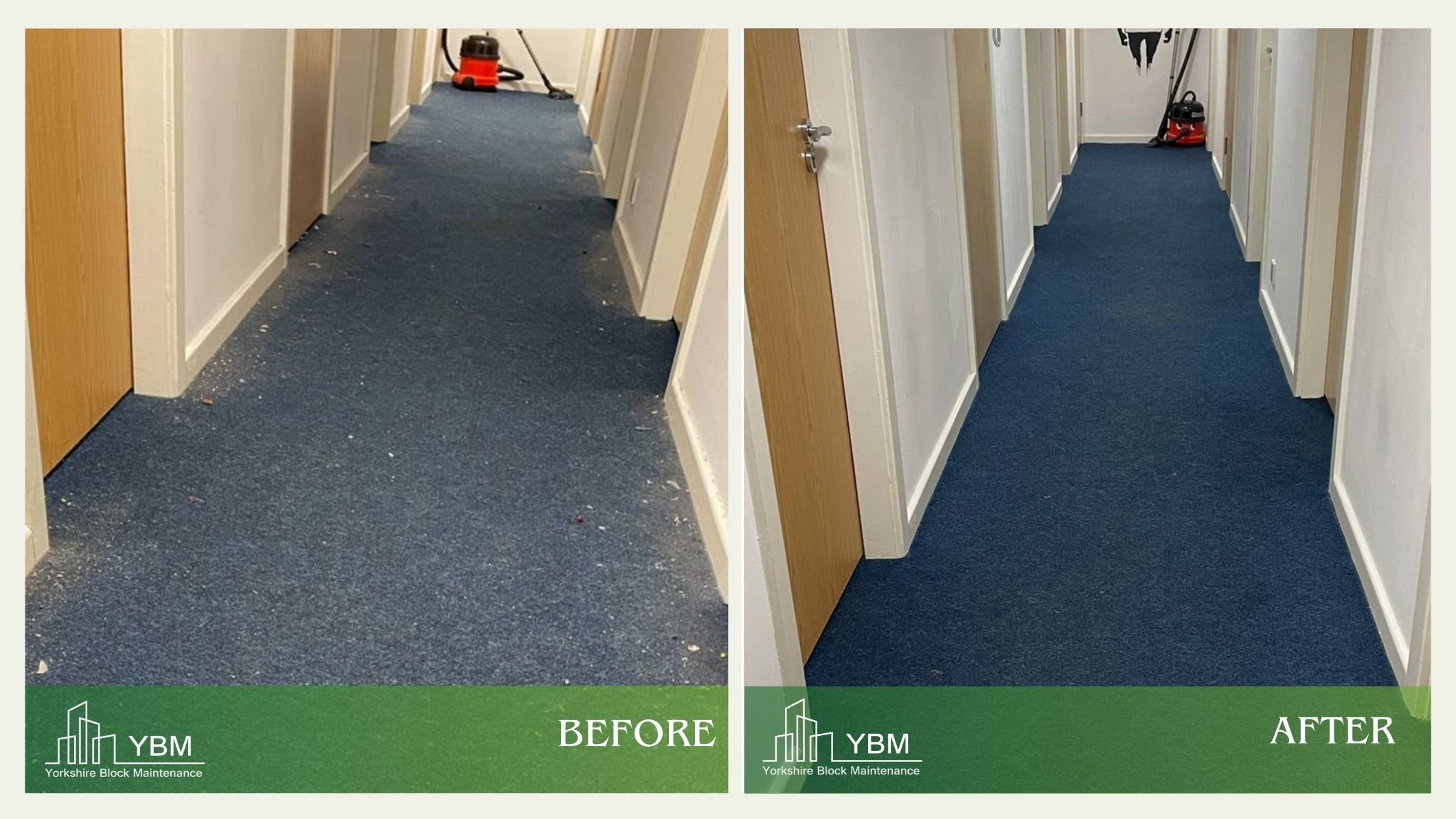
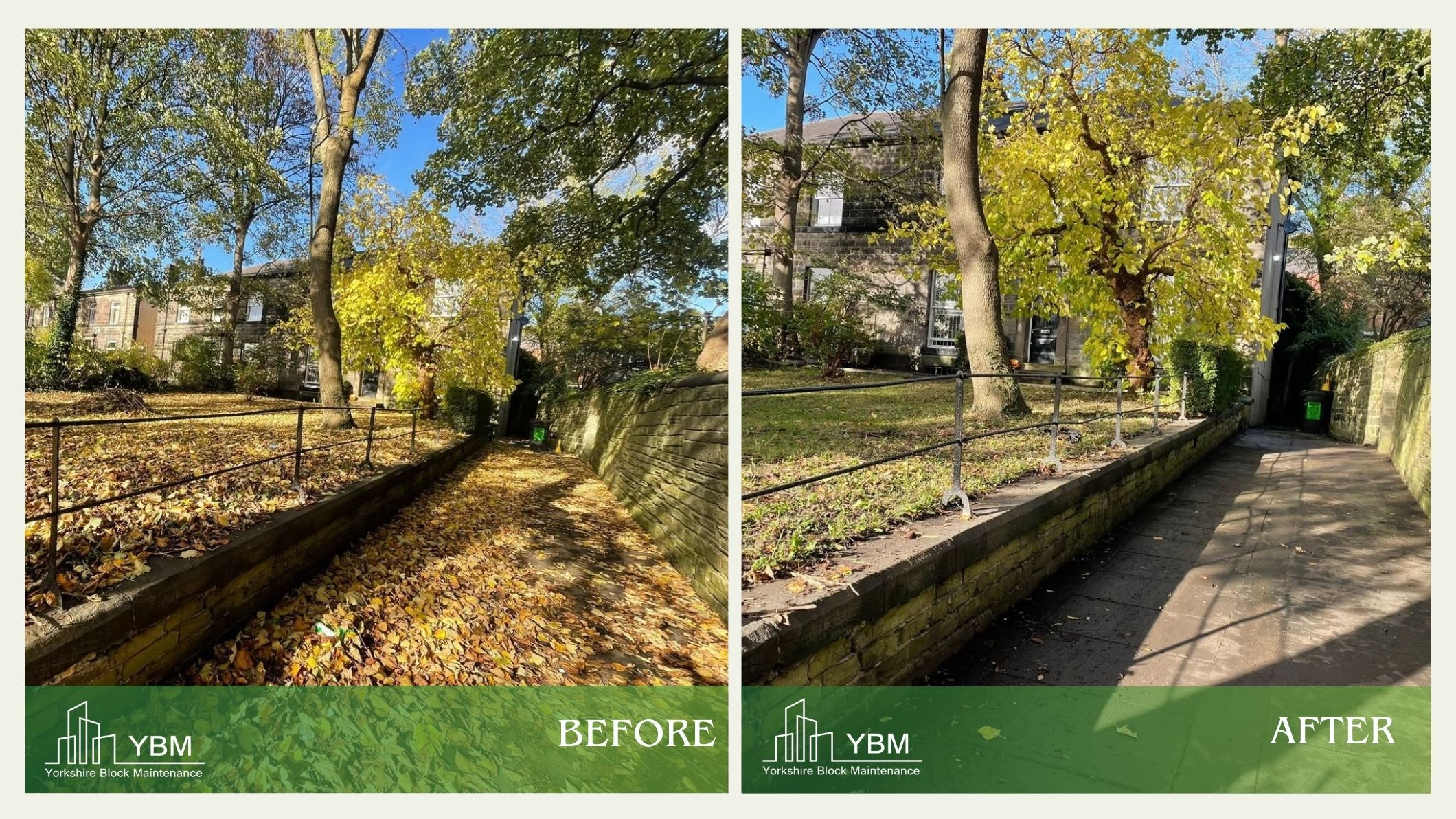
- Communal cleaning and grounds maintenance
- Fire safety and compliance support
- Property inspection reporting
- End of tenancy cleaning
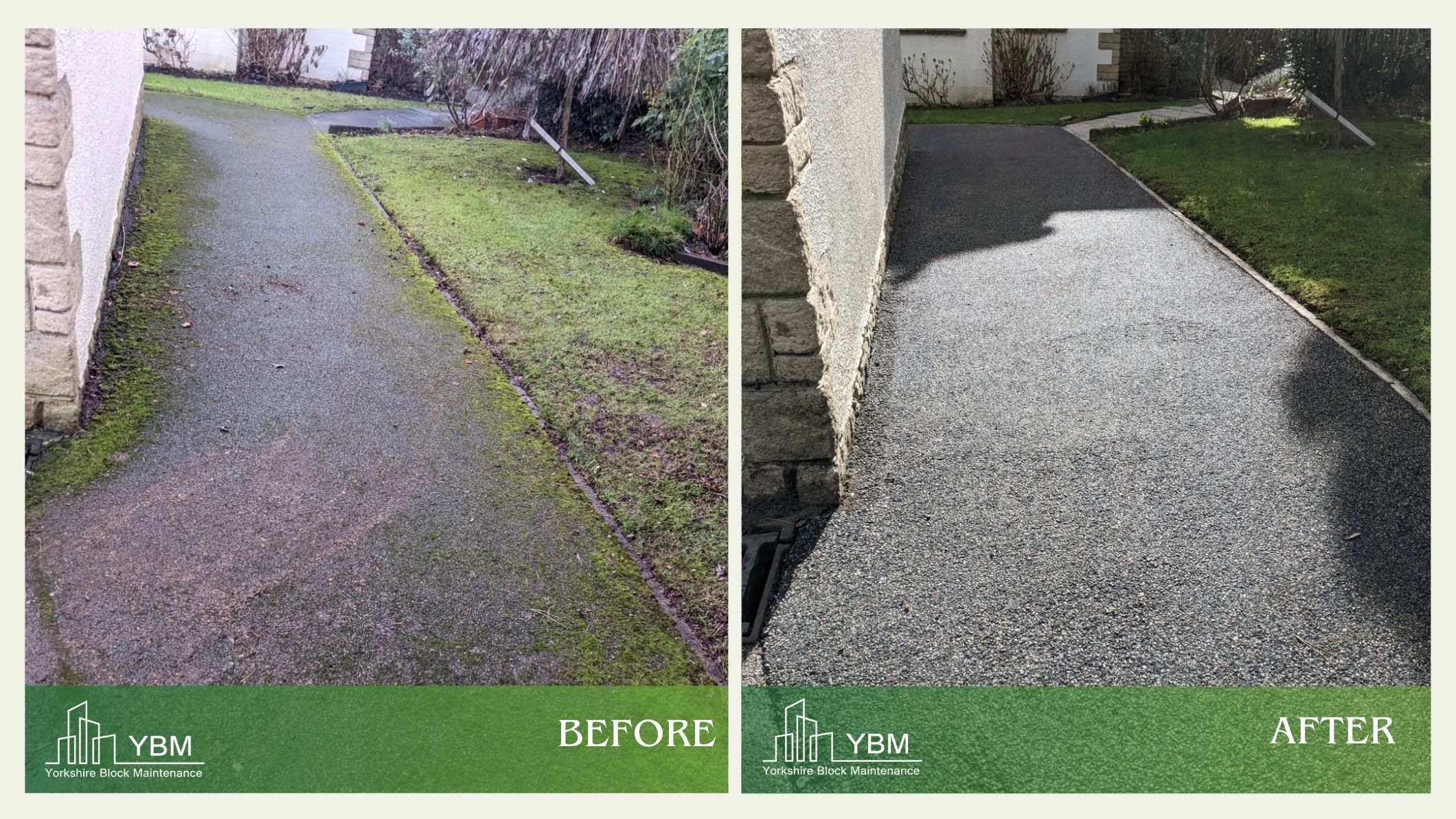
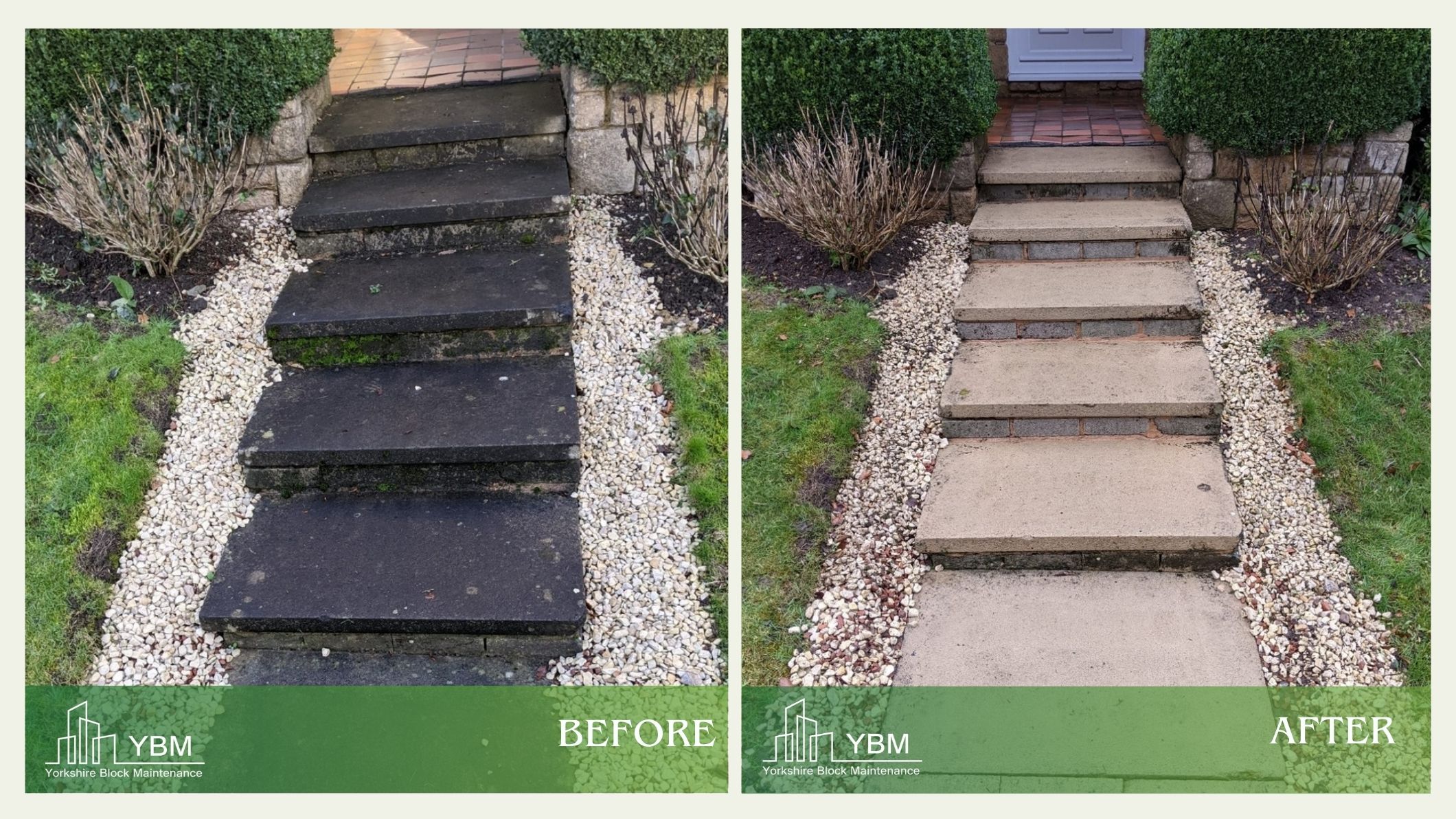
- Exterior and communal area maintenance
- Coordination of specialist contractors and compliance services
We also provide written service reports after visits, helping property managers identify maintenance issues early and maintain organised records for ongoing property management and compliance processes.
By managing cleaning, maintenance and property support services under one roof, we help landlords and property managers keep buildings clean, safe, compliant and professionally maintained throughout the year.
To discuss ongoing maintenance or compliance support for your managed property portfolio, visit Yorkshire Block Maintenance or contact our team for a quotation.
Frequently Asked Questions About Managed Property Safety Checks
What safety certificates are required for rental properties in the UK?
Rental properties may require gas safety records, Electrical Installation Condition Reports (EICRs), Energy Performance Certificates (EPCs) and smoke alarm compliance depending on the property type and location.
How often should gas safety inspections be completed?
Gas safety inspections are generally required every 12 months for rental properties containing gas appliances.
Are electrical inspections mandatory for landlords?
Yes. Electrical safety inspections are legally required for many rental properties in England and are typically completed every five years.
Do HMOs require additional safety checks?
Yes. HMOs often require enhanced fire safety systems, licensing inspections and additional compliance measures depending on local authority requirements.
Who is responsible for health and safety compliance?
Landlords remain legally responsible for ensuring rental properties comply with safety regulations, even where managing agents arrange inspections or maintenance on their behalf.