
 Communal Cleaning
  Exterior Cleaning
  Building Maintenance
  Specialist Services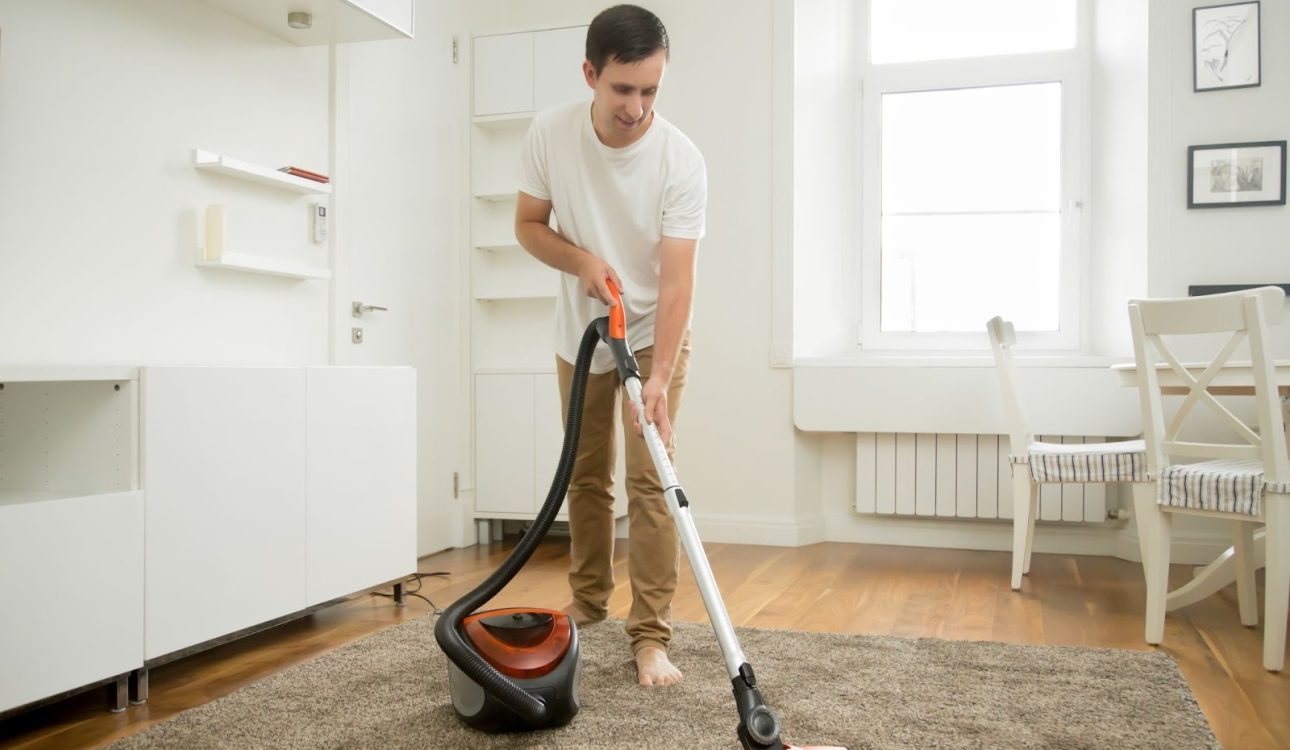

Professional carpet cleaning removes deep stains, odours, and allergens that routine maintenance cannot handle, protecting carpet lifespan and supporting smooth tenant turnover in managed properties.
Landlords and property managers face recurring challenges between tenancies and in communal spaces, including stubborn stains, lingering odours, dirt accumulation, and carpets that diminish property presentation standards. Professional carpet cleaning addresses these issues as preventive maintenance rather than cosmetic treatment, protecting investment value and tenant satisfaction.
Key Takeaways
- Professional carpet cleaning protects carpet lifespan, reduces replacement costs, and maintains property standards between tenancies and routine inspections.
- Deep cleaning removes allergens, moisture, and odours that contribute to poor indoor air quality in rental properties and communal areas.
- Steam extraction and encapsulation methods deliver superior results compared with routine vacuuming for high-traffic managed property environments.
Why Professional Carpet Cleaning Matters for Managed Properties
Professional carpet cleaning is an operational necessity rather than a cosmetic upgrade for landlords and property managers responsible for maintaining consistent standards across rental portfolios and commercial buildings.
Clean carpets directly influence first impressions during viewings, reduce tenant complaints, and support higher perceived property value. In high-use environments, routine vacuuming is not enough to remove embedded dirt, allergens, and odours that build up over time.
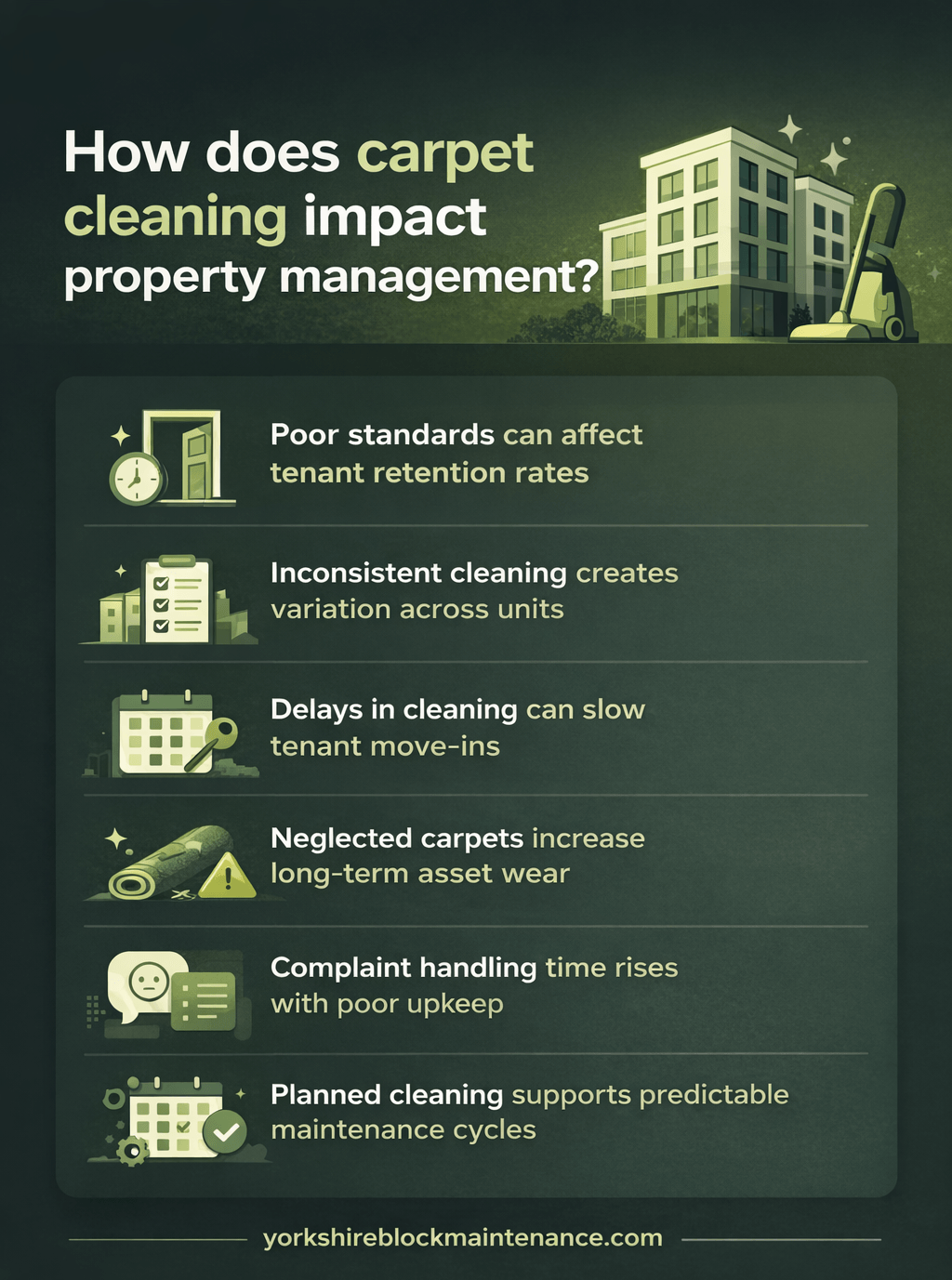
The private rented sector accounted for 19 percent of UK households in the year ending March 2024, representing around 5.5 million homes that require regular maintenance and efficient tenant turnover. Professional cleaning helps restore carpets between tenancies, extends their lifespan, and reduces the need for costly replacements.
The Impact of Carpet Condition on Tenant Experience
Clean carpets create strong first impressions during viewings, reduce tenant complaints about cleanliness, and support higher rental values through better presentation. Well-maintained carpets signal that a property is cared for, which builds tenant trust and satisfaction.
In contrast, stained or worn carpets often lead to maintenance requests, disputes at checkout, and negative reviews. This can impact future lettings and damage a property’s reputation, especially in competitive rental markets where presentation plays a key role in attracting and retaining tenants.
Common Causes of Carpet Stains, Odours and Dirt in Rental Properties
Everyday use in rental and commercial properties creates specific damage patterns that accumulate over tenancy periods and require professional intervention beyond routine maintenance.
Carpet Wear Caused by Constant Foot Traffic
High traffic routes, including entrance halls, corridors, and stairwells, compress carpet fibres, creating visible wear tracks that darken and flatten over time. Commercial properties and shared residential areas experience accelerated deterioration where hundreds of footfalls concentrate on narrow pathways between doors and facilities.
Common Carpet Stains from Food and Beverages
Spilt coffee, red wine, cooking oils, and food debris can create organic stains that penetrate the carpet backing if not treated immediately. Kitchen areas, dining spaces, and communal rooms accumulate residues that attract further soiling and develop odours as decomposition occurs within fibre structures.
Pet Stains and Odours
Animal urine penetrates carpet padding and subfloors, creating persistent ammonia smells that surface cleaning cannot eliminate. Pet damage includes scratching, chewing, and hair accumulation that requires extraction equipment removing embedded debris and neutralising biological contamination at backing level.
Dirt Build Up in Communal Areas
Entrance lobbies and shared corridors collect tracked mud, grit, and outdoor pollutants that abrade fibres and discolour carpets despite regular vacuuming. Moisture from wet weather compounds problems by allowing dirt particles to bond with carpet materials, requiring professional extraction for complete removal.
Professional Carpet Cleaning Methods
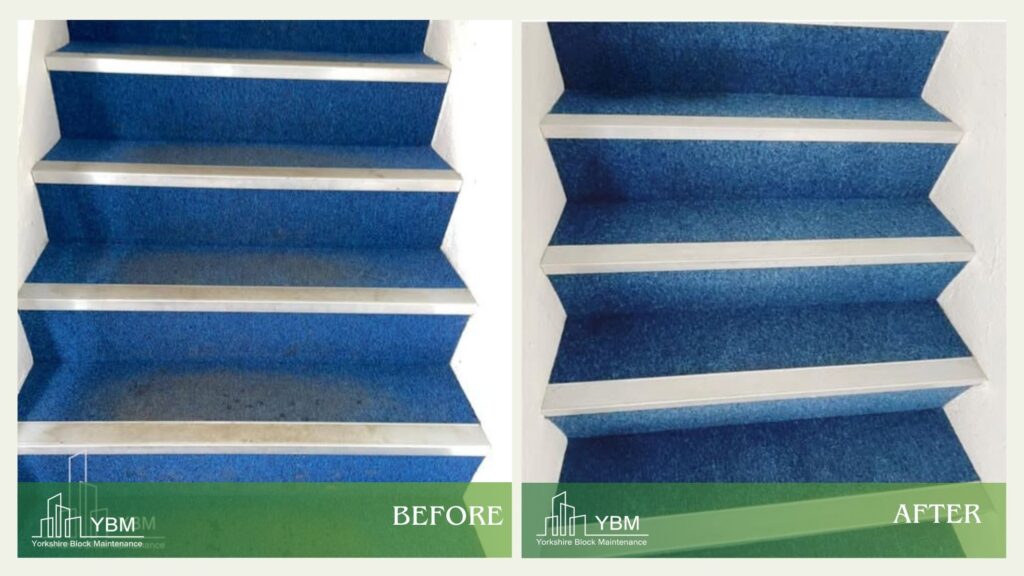
Professional methods deliver deeper cleaning and faster drying compared with rental equipment or DIY approaches, using commercial-grade machinery and specialist products appropriate for managed property requirements. Professional carpet cleaning methods vary depending on carpet condition, usage, and drying requirements, including:- Steam carpet cleaning using high temperature vapour to penetrate fibres, loosen dirt, and kill bacteria with minimal moisture
- Hot water extraction injecting heated solution deep into the carpet and extracting dirt and residues for a thorough clean
- Dry carpet cleaning using low moisture compounds that trap dirt for easy vacuum removal with no drying delay
- Encapsulation cleaning using polymer solutions that crystallise dirt, ideal for commercial spaces needing quick turnaround
We provide professional carpet cleaning for managed properties, offices, and communal spaces with extraction equipment and specialist products chosen for commercial durability and fast turnover requirements.
Carpet Cleaning for End of Tenancy Cleaning
Carpet cleaning between tenancies removes accumulated dirt and odours while preparing properties for incoming residents, supporting faster lettings through improved presentation during viewings.
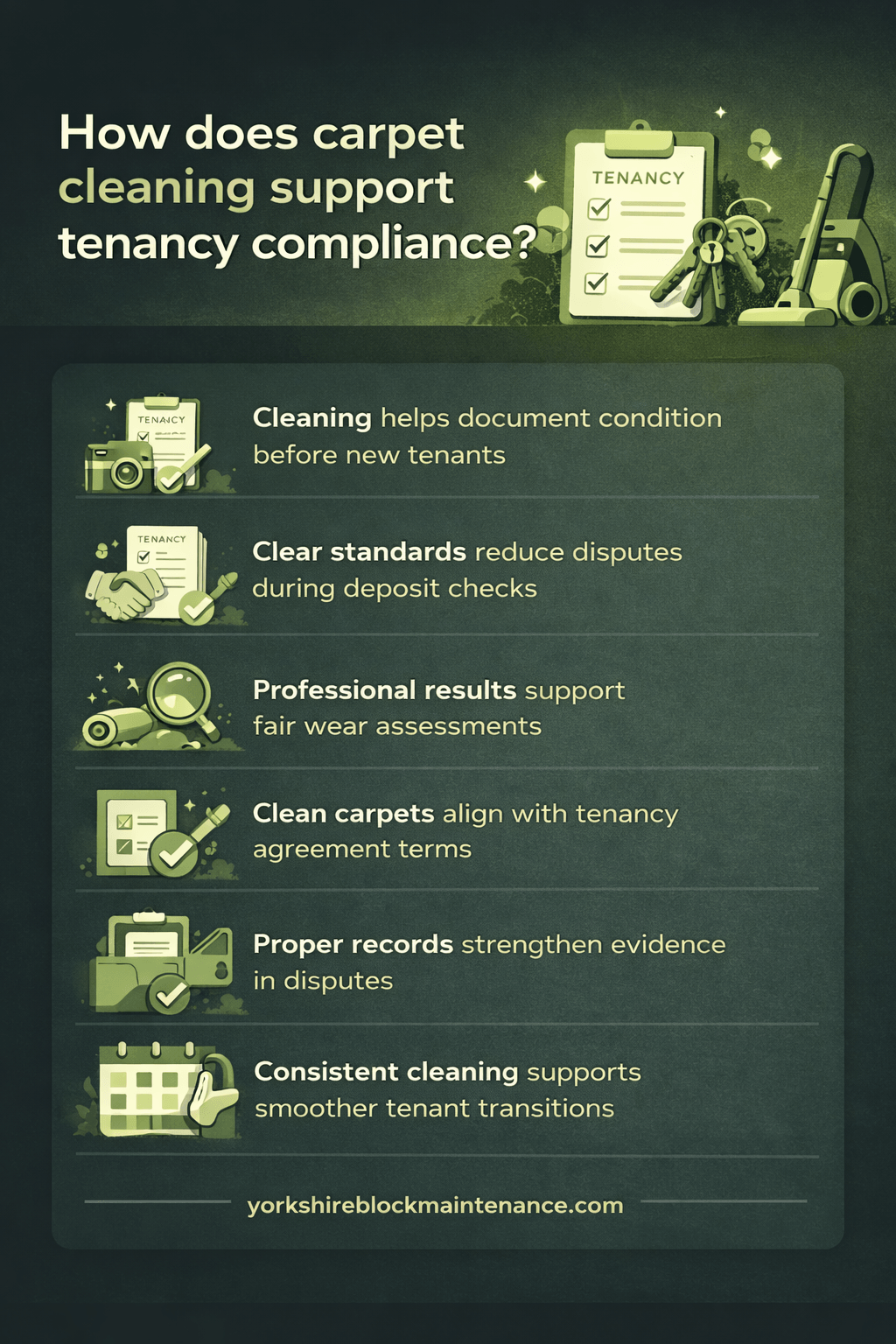
Removing stains and odours before new tenants move in prevents disputes about property condition and creates positive first impressions that support tenant retention.
Deposit protection rules under legislation limit deductions to damage beyond fair wear and tear, meaning landlords must distinguish between reasonable use deterioration and tenant caused damage when assessing carpet condition at checkout.
Carpet cleaning expectations in tenancy agreements should specify professional standard cleanliness at departure while acknowledging that normal use wear cannot justify deductions from deposits capped at five weeks rent for properties under £50,000 annual rent.
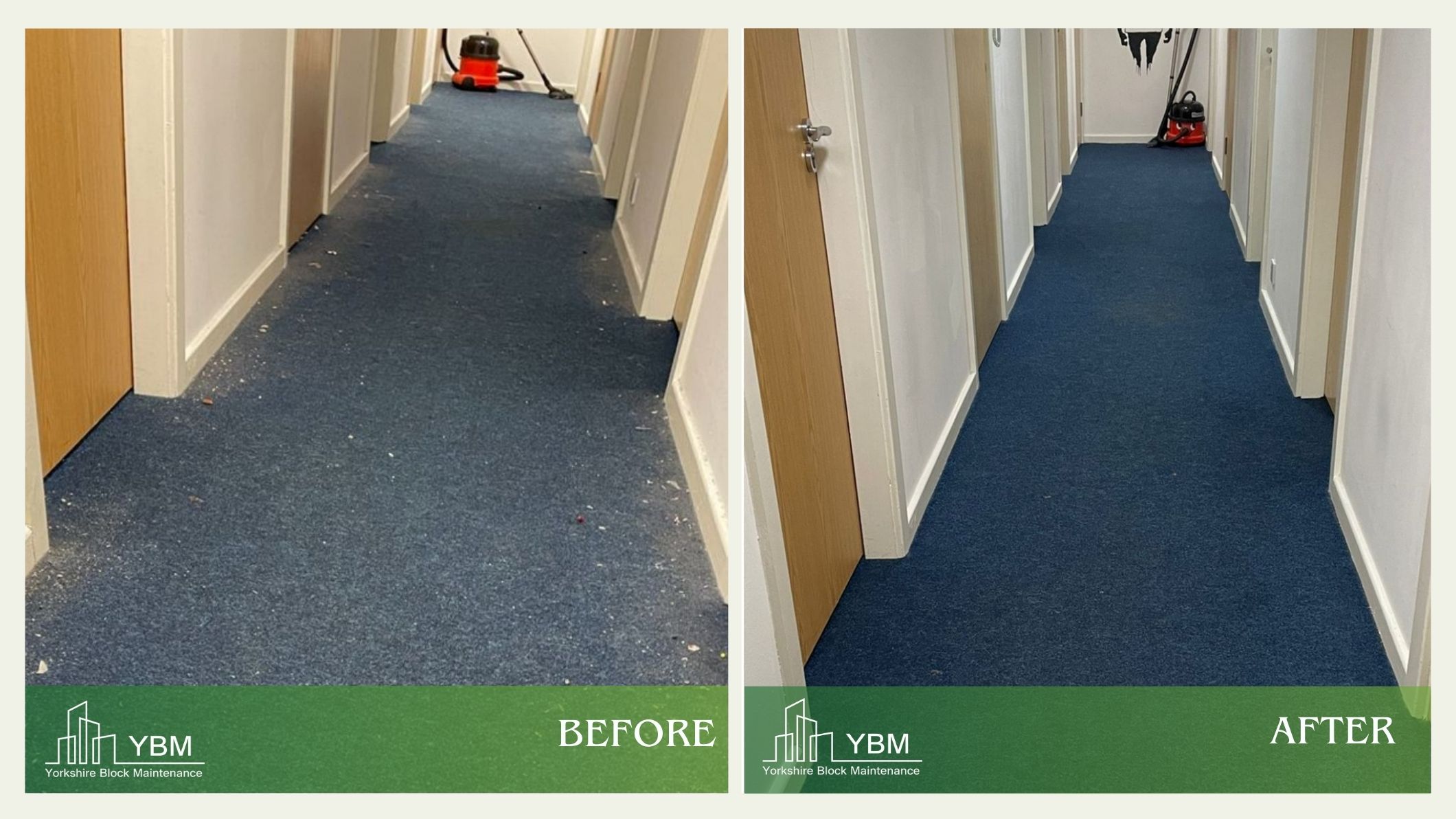
When Carpets Should Be Replaced Instead of Cleaned
Carpets should be replaced instead of cleaned when damage goes beyond what professional cleaning can restore.
This includes:
- Deep stains that have permanently set
- Strong odours embedded in the backing
- Visible wear such as fraying, thinning, or matting in high-traffic areas.
Structural issues like water damage or mould growth also make replacement the safer option. In rental properties, heavily worn carpets can negatively impact presentation and tenant expectations.
Replacing carpets at the right time helps maintain standards, avoid repeated cleaning costs, and improve overall property appeal.
Carpet Maintenance for Property Managers
Regular maintenance scheduling prevents damage accumulation requiring expensive restoration or premature replacement in rental and commercial properties.
The following maintenance practices extend carpet lifespan and reduce total ownership costs across managed property portfolios:
- Schedule professional cleaning every 6 to 12 months for residential rentals and every 3 to 6 months for high-traffic commercial spaces
- Arrange entrance mat placement and regular replacement to intercept tracked dirt before it reaches interior carpets
- Implement immediate spill response protocols training staff or tenants to blot rather than rub fresh stains
- Monitor moisture levels and ventilation in properties because damp and mould affect between 962,000 to 6.5 million English households, depending on measurement criteria, with carpets contributing to moisture retention when inadequate ventilation prevents proper drying
Professional cleaning intervals depend on usage intensity, with communal corridors requiring more frequent attention than bedroom areas seeing limited traffic.
Keeping Carpets in Good Condition Over Time
Preventing long-term carpet damage requires addressing moisture sources rather than masking symptoms through fragrance or superficial cleaning.
Managing drying time and ventilation after cleaning becomes critical in wetter UK regions where areas including Snowdonia, the Lake District, and Scottish Highlands receive over 4 metres of annual rainfall, with Argyllshire recording 2,274.9 millimetres yearly.
Extended drying periods without adequate air movement create conditions supporting mould growth and odour development that undermine cleaning effectiveness.
Chemical handling during cleaning operations requires risk assessment and control measures ensuring staff protection from skin contact with extraction fluids, stain removers, and detergents through appropriate PPE and safe working procedures meeting workplace safety obligations.
We also support scheduled interior cleaning for communal areas and managed buildings with maintenance plans covering corridors, entrance halls, stairwells, and shared facilities.
Conclusion
Professional carpet cleaning maintains property standards, reduces complaints, and extends carpet lifespan. Regular scheduling prevents costly damage and supports smoother tenant turnover.
Combining deep cleaning with proper ventilation and moisture control addresses root issues rather than temporary surface-level fixes. Request a free quote for professional carpet cleaning between tenants or for ongoing managed property maintenance supporting your operational requirements.
FAQs
How often should carpets be professionally cleaned in rental properties?
Residential rentals need professional cleaning every 6 to 12 months depending on occupancy and use intensity. High traffic properties with pets or children benefit from more frequent scheduling.
Is professional carpet cleaning required for end of tenancy?
Tenancy agreements typically require properties returned to professional clean standard. Landlords cannot charge tenants for cleaning beyond reversing damage exceeding fair wear and tear under deposit protection rules.
How long do carpets take to dry after cleaning?
Hot water extraction requires 6 to 12 hours drying time with adequate ventilation. Low moisture encapsulation methods allow use within 1 to 2 hours, suiting commercial properties requiring minimal downtime.
Can carpet cleaning remove heavy stains and odours?
Professional extraction removes most food, beverage, and organic stains when treated promptly. Pet urine penetrating padding may require specialised enzyme treatments or subfloor sealing for complete odour elimination.
When should a landlord replace carpet instead of cleaning it?
Replace carpets showing permanent stains, heavy wear exposing backing, large tears, burns, or persistent biological contamination from moisture damage that professional cleaning cannot reverse.